The Hidden Cost of Poor Epoxy Floor Prep—and How to Avoid It

The Importance of Proper Preparation in Epoxy Flooring
Epoxy flooring is known for its durability, chemical resistance, and long service life, but these benefits depend heavily on one critical factor: surface preparation. When preparation is rushed or improperly handled, even the highest-quality epoxy systems can fail prematurely. Issues such as peeling, bubbling, cracking, and delamination often trace back to what happened before the epoxy was ever applied.
Many facilities discover the need for epoxy floor repair only after visible damage appears. By that point, the cost is no longer limited to repairs alone. Downtime, safety risks, and lost productivity can quickly add up, turning what should have been a long-term flooring solution into an expensive ongoing problem.
How Poor Preparation Leads to Costly Failures
Concrete surfaces must be properly evaluated and prepared to ensure epoxy bonds correctly. Contaminants such as oil, grease, moisture, or previous coatings can prevent adhesion if not fully removed. Inadequate surface profiling can also cause epoxy to sit on top of the concrete rather than bonding with it, leading to early failure under normal use.
Moisture is another hidden issue that is often overlooked. If moisture vapor transmission is not tested and addressed, it can push the epoxy coating away from the concrete over time. These failures frequently require extensive epoxy floor repair, including grinding, removal, and reapplication, all of which increase costs and disrupt operations.
The Operational Impact of Epoxy Floor Failure
When epoxy flooring fails, the impact extends beyond appearance. Damaged floors can create slip hazards, collect debris, and interfere with cleaning routines. In industrial and commercial environments, this can lead to safety concerns, compliance issues, and reduced efficiency.
Facilities throughout Pennsylvania, New Jersey, Delaware and nearby communities often face unexpected shutdowns when flooring systems need remediation. These interruptions affect staff schedules, production timelines, and customer commitments, making poor preparation far more costly than it initially appears.
What Proper Epoxy Floor Prep Really Involves
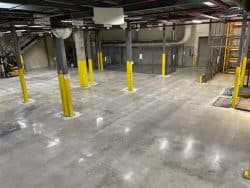
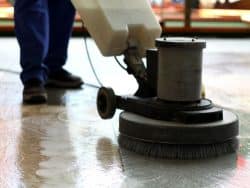
Avoiding these issues starts with a thorough preparation process. This includes mechanical surface preparation such as diamond grinding or shot blasting to achieve the correct concrete profile. Moisture testing helps identify potential vapor issues before installation begins, allowing for mitigation systems when necessary.
Cracks, spalls, and damaged areas must also be repaired prior to coating application. Addressing these problems early ensures a smooth, stable surface that supports long-term performance. Beyond Painting follows a proven preparation process designed to eliminate common failure points and extend the life of epoxy flooring systems.
Why Professional Expertise Makes the Difference
Epoxy flooring is not a one-size-fits-all solution, and preparation requirements vary based on environment, usage, and substrate condition. Professional contractors understand how to assess these factors and adjust their approach accordingly. This expertise helps prevent costly mistakes that lead to premature failure.
Beyond Painting brings experience and attention to detail to every epoxy flooring project, delivering solutions that hold up under real-world conditions. Facilities across Pennsylvania, New Jersey, Delaware and surrounding areas benefit from a preparation-first approach that protects their investment and minimizes future repairs.
Protecting Your Floor and Your Budget
The true cost of poor epoxy floor preparation is often hidden until failure occurs. Investing in proper prep from the beginning reduces the need for ongoing epoxy floor repair and helps ensure consistent performance over time. With professional installation from Beyond Painting, businesses gain durable, reliable flooring systems built to last.